9 Jun 2026
Biometric Wearables Reshaping Real-Time Prop Bet Adjustments at Specialized Digital Exchanges
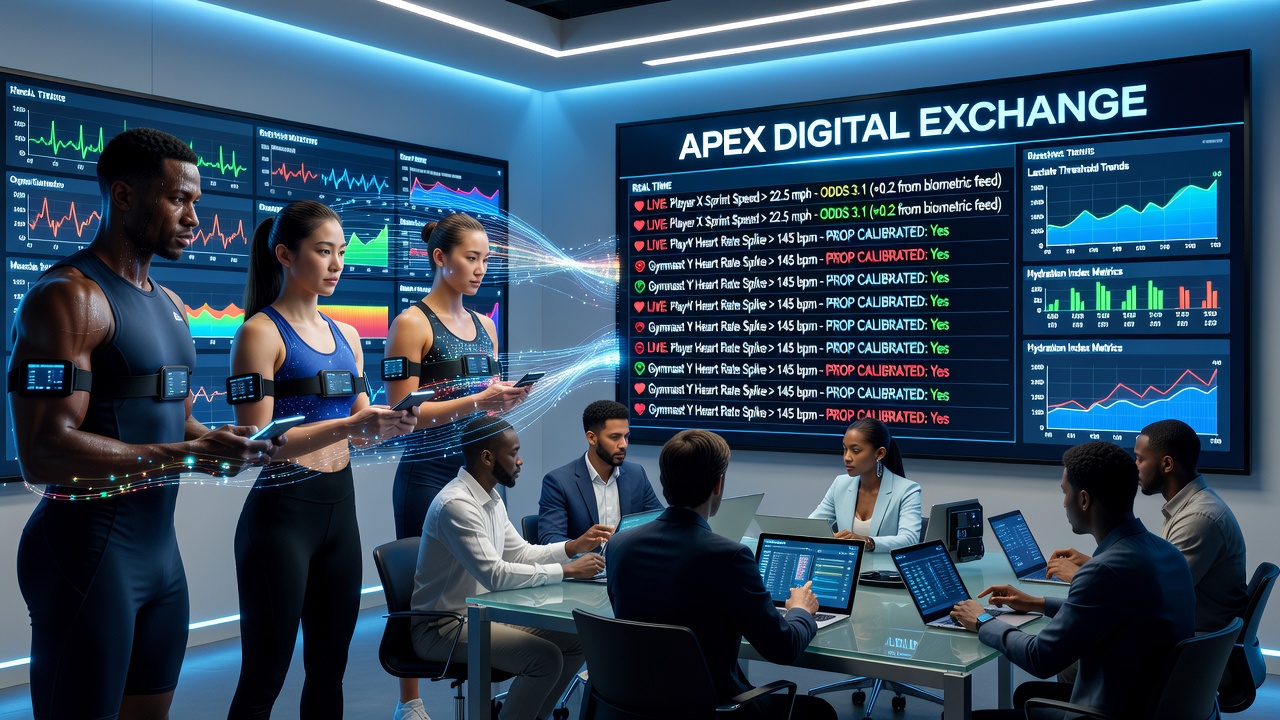
Athletes across professional leagues have integrated biometric wearables that capture heart rate variability, sleep cycles, muscle oxygen saturation, and movement metrics, while specialized digital exchanges pull anonymized streams from these devices to recalibrate prop bet lines in real time. Exchanges focused on player-specific wagers such as points scored, assists recorded, or recovery times have built secure APIs that ingest this physiological data, allowing odds to shift within seconds when an athlete shows elevated fatigue indicators or irregular recovery patterns before tip-off or first pitch.
Data Pathways from Wearables to Betting Platforms
Teams equip players with devices from manufacturers including Whoop and Catapult Sports, which generate continuous datasets during practice and games, and these feeds reach betting operators through third-party aggregators that strip personal identifiers before transmission. Data indicates partnerships between sports technology firms and exchange operators have accelerated since 2024, with integration points now handling thousands of data packets per minute during live events. Observers note that prop bet markets on player performance metrics adjust faster than traditional totals because heart rate spikes or reduced acceleration readings can signal lower output probabilities, prompting automated recalibrations at platforms handling niche wagers.
Exchanges maintain compliance with data-sharing protocols established by leagues such as the NBA and NFL, which require explicit consent frameworks before any biometric information leaves team servers. Figures from industry reports show that roughly 65 percent of major-league athletes in North American sports now wear at least one approved tracking device during competition, creating a steady pipeline of inputs that specialized platforms use to refine micro-prop offerings. Researchers at institutions studying sports analytics have documented cases where overnight recovery scores below established thresholds correlated with measurable drops in next-day shooting percentages, giving exchanges quantitative triggers for line movement.
Calibration Mechanics During Live Events
Real-time prop bet engines apply machine-learning models trained on historical performance paired with biometric baselines, so a sudden drop in an athlete's heart rate variability during warm-ups can trigger an immediate shift in over-under markets for that player's statistical categories. Platforms operating in jurisdictions with permissive frameworks, including parts of Australia and select Canadian provinces, have deployed these systems more aggressively than regulated U.S. markets. One study released by a European sports science consortium revealed that incorporating wearable-derived fatigue scores improved prediction accuracy for individual player outputs by 12 to 18 percent compared with models relying solely on box-score history.
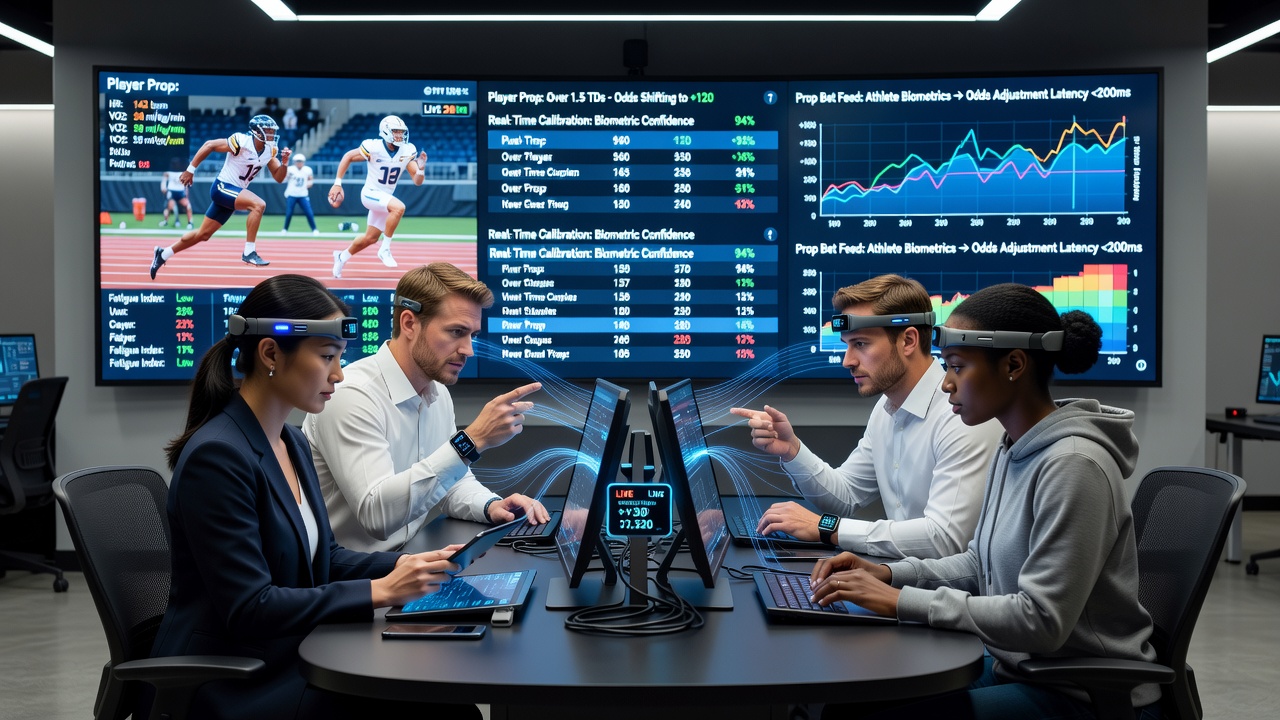
Specialized exchanges differentiate themselves by offering deeper prop inventories that traditional sportsbooks avoid because of volatility, and the addition of biometric inputs allows them to manage risk through dynamic limits rather than static caps. In June 2026 several platforms announced expanded partnerships with European data providers, enabling cross-league comparisons of recovery metrics that influence futures-style props on season-long player availability. Those who've studied this integration note that the process remains heavily filtered through team medical staff, who decide what granular readings reach external aggregators and which stay internal.
Regulatory and Technical Safeguards
Gaming regulators in Ontario and the Australian state of New South Wales require exchanges to document how external data sources influence odds, creating audit trails that trace every biometric-triggered adjustment back to its originating device feed. Industry associations such as the European Gaming and Betting Association have published guidelines emphasizing separation between performance data used for betting and any personally identifiable health records. Academic papers from university research groups in Australia have examined latency issues, finding that secure transmission pipelines now deliver updates with sub-second delays that keep pace with in-game action.
Exchanges also layer additional verification steps, cross-checking wearable readings against on-court camera analytics and official play-by-play logs to filter anomalies before they affect customer-facing odds. Data from these layered systems shows fewer instances of extreme line movement compared with earlier pilot programs that relied on single-source inputs alone. People involved in platform development emphasize that consent management remains central, with athletes retaining the ability to opt out of data sharing without affecting their team participation.
Future Integration Trends
Developments scheduled for the second half of 2026 include pilot programs testing direct feeds from next-generation wearables that measure hydration levels and cognitive load indicators, potentially expanding prop categories to include mental performance metrics. Regulatory bodies across multiple regions continue to refine rules around data provenance, ensuring exchanges disclose when biometric streams contribute to any line movement. Observers tracking these shifts report growing interest from institutional bettors who value the added granularity, although participation remains concentrated among operators with advanced technical infrastructure.
Conclusion
Biometric wearables have established a direct conduit into real-time prop bet calibration at specialized digital exchanges, supported by anonymized data pipelines, machine-learning models, and jurisdiction-specific compliance frameworks. As device capabilities expand and regulatory clarity increases, the volume of performance-linked wagers influenced by physiological readings continues to grow across permitted markets.