19 Jul 2026
Mapping Player Migration Patterns Between Virtual Table Games and Live Dealer Experiences in Regulated Jurisdictions
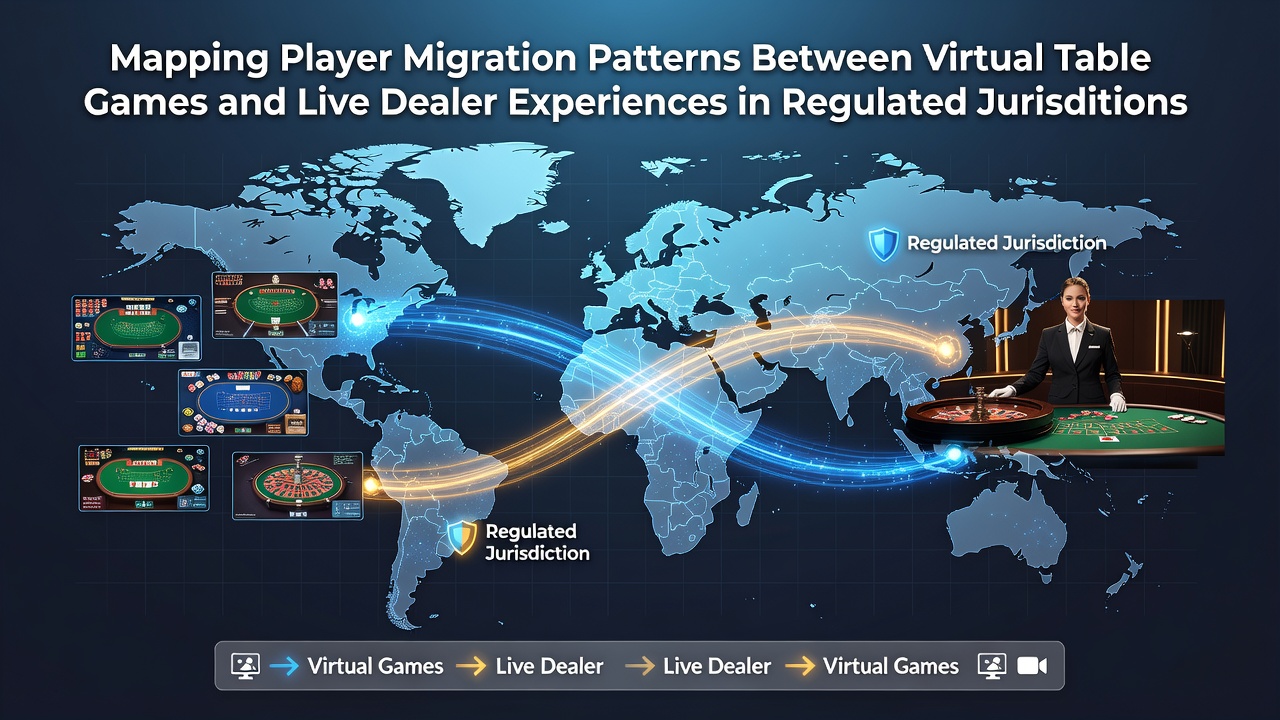
Regulated jurisdictions track player movements between virtual table games and live dealer formats through detailed transaction logs and session data that operators submit to oversight bodies, and these records reveal consistent flows tied to game availability and technological access points. Virtual table games rely on random number generators for outcomes while live dealer experiences stream real-time human interactions, creating distinct appeal layers that influence where participants spend their time across platforms.
Research from the Alcohol and Gaming Commission of Ontario indicates steady transitions occur when players encounter regulatory changes that expand live dealer options in previously limited markets, and data collected through 2025 shows participants often begin with virtual formats before exploring streamed alternatives once mobile compatibility improves. Jurisdictions in North America and parts of Europe maintain separate licensing categories for each format, which allows analysts to segment migration statistics by player demographics and session duration metrics.
Key Drivers Behind Format Transitions
Regulatory frameworks shape these patterns because licensing requirements determine which operators can offer live dealer streams versus virtual RNG products, and updates in places like New Jersey and Michigan have correlated with measurable upticks in live dealer participation after new approvals took effect. Technology infrastructure plays a parallel role since reliable high-speed connections support seamless live dealer sessions whereas virtual tables function across lower bandwidth environments, leading researchers to note higher retention rates for virtual options in rural regulated zones.
Payment processing rules and responsible gaming tools also factor into movement statistics because some jurisdictions mandate identical deposit limits across both formats while others apply differentiated thresholds, and industry reports document how these variances prompt players to test multiple categories within the same account. Observers at the International Center for Gaming Regulation have compiled cross-border comparisons that highlight how Australian state-level rules produced different migration speeds compared with Canadian provincial systems during the same monitoring periods.
Regional Data Snapshots Through Mid-2026
As of July 2026, figures released by state gaming control boards in Pennsylvania and West Virginia document that approximately 28 percent of accounts active in virtual blackjack and roulette also logged live dealer sessions within the prior quarter, and these overlaps increased following software updates that unified lobby interfaces. European markets regulated under varying national frameworks show similar layering where participants alternate between formats based on promotional structures tied to each product type.
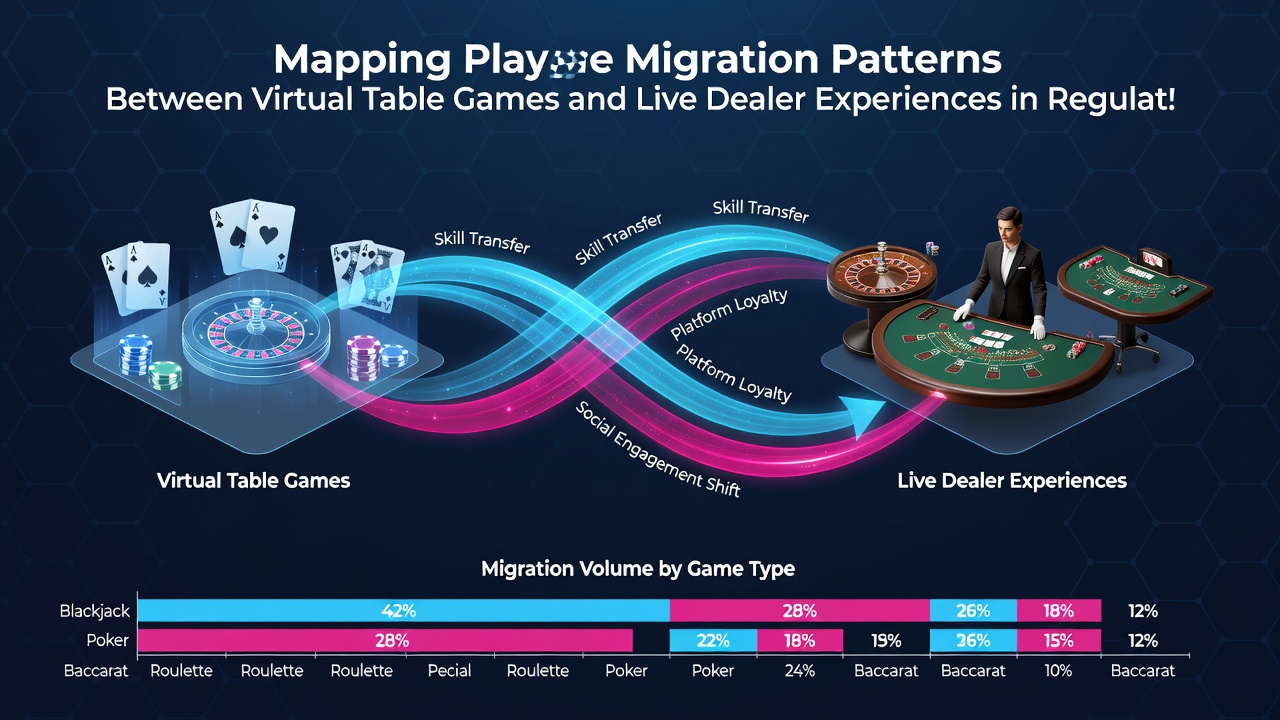
Academic analysis from the University of Nevada Las Vegas gaming research group examined transaction volumes across multiple operators and found that session length tends to extend when players switch from virtual to live dealer formats, particularly during evening hours when staffing levels support continuous table availability. These patterns hold across different regulatory maturity levels, though newer markets exhibit sharper initial spikes once live dealer approvals expand.
Operator Adjustments and Platform Integration
Gaming companies respond to observed migration by developing hybrid lobbies that surface both formats within unified player profiles, and this approach allows tracking of individual movement sequences without requiring separate logins. Data aggregation tools used by compliance departments capture timestamped switches so regulators receive granular reports on how often accounts transition between RNG and streamed experiences.
Payment method preferences also surface in these datasets because certain e-wallets process faster for live dealer buy-ins in specific jurisdictions, prompting participants to favor one format during peak activity windows. Trade publications covering the sector have noted that integration of loyalty programs across both categories reduces friction during format changes and supports longer overall engagement cycles.
Measurement Challenges and Reporting Standards
Standardized metrics remain inconsistent because some regulators require separate reporting streams for virtual versus live dealer activity while others permit combined submissions, and this variance complicates direct comparisons across borders. Analysts therefore rely on anonymized player-level data shared through industry associations to construct broader migration maps that account for regulatory differences.
Verification processes involve cross-checking operator-submitted logs against independent audit trails, and jurisdictions with mature frameworks apply automated flags when unusual transition volumes appear in short timeframes. These safeguards help maintain data integrity while allowing continued observation of how players navigate the two table game categories.
Conclusion
Comprehensive mapping of player movements between virtual table games and live dealer experiences continues to evolve alongside regulatory expansions and technological refinements in licensed markets, and the resulting datasets provide operators and oversight entities with actionable segmentation details. Jurisdictions maintain distinct approaches to data collection yet increasingly share aggregated insights through established research channels to refine policy and platform design.