29 May 2026
Regional Economic Impacts from Expanded Online Wagering Options in Underserved Markets
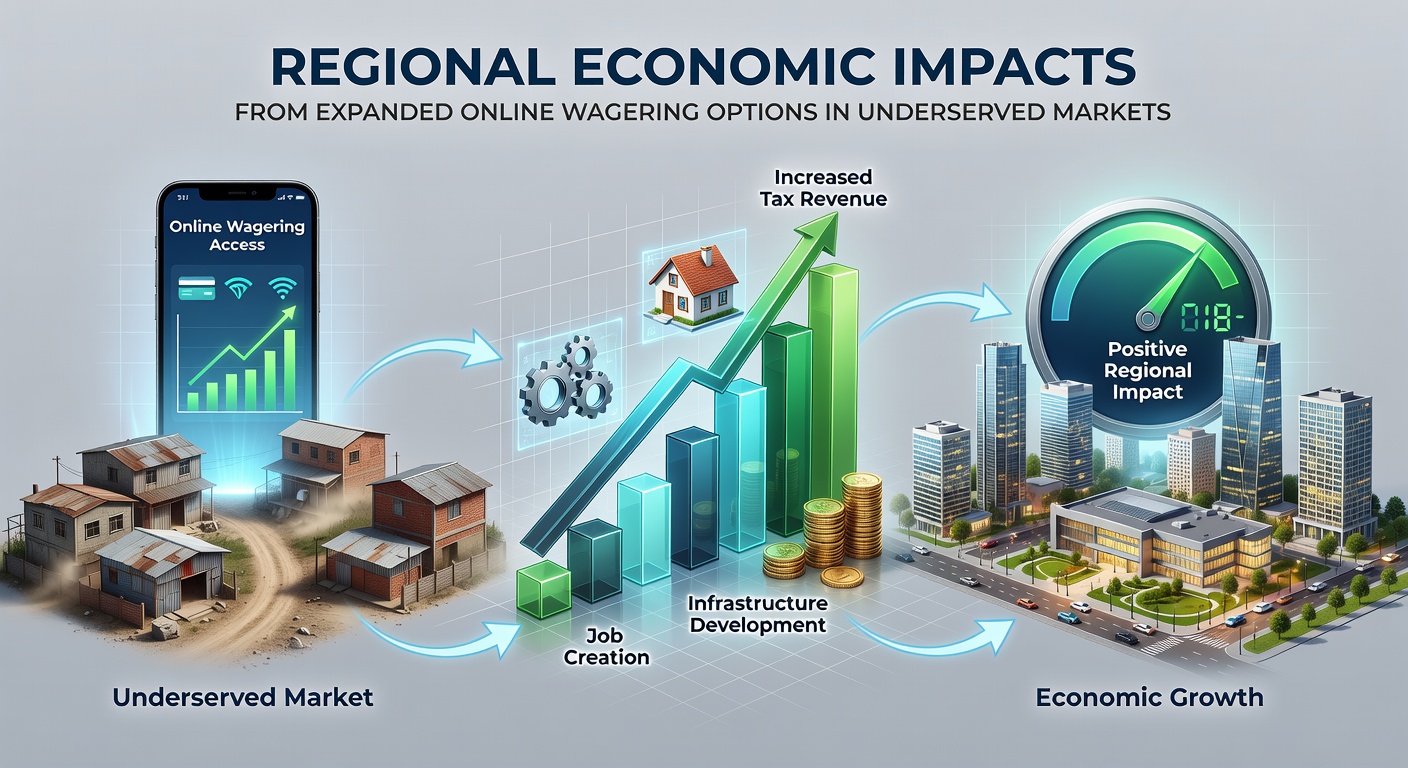
Expanded online wagering options have reached underserved markets in recent years, and data from various regulatory sources shows measurable shifts in local economies where access was previously limited. These markets often include rural counties and smaller urban centers that lacked brick-and-mortar facilities or faced strict historical restrictions on gambling activities. In May 2026 several state legislatures finalized frameworks that opened digital platforms to residents in previously restricted zones, which accelerated adoption rates tracked by industry monitors.
Tax Revenue Growth Patterns
States that introduced regulated online wagering in underserved areas report increased tax collections directed toward public funds. Figures from the Michigan Gaming Control Board indicate that online sports betting and casino-style games generated over $180 million in state tax revenue during the first full year of expanded access in select rural districts. These collections flow into education budgets and infrastructure projects without requiring new physical construction in remote locations. Researchers at the University of Nevada Reno have documented similar patterns where digital platforms contribute a steady percentage of gross gaming revenue to state coffers, and the money reaches communities that previously saw minimal returns from gaming activity.
Employment and Support Sector Development
Job creation extends beyond direct platform operators when online wagering expands. Customer support roles, software maintenance positions, and compliance monitoring positions emerge in areas wth reliable broadband connections. A report compiled by the American Gaming Association highlights that each new digital license in an underserved county correlates with an average of 45 additional support jobs within the first 18 months. Local businesses such as payment processors and marketing firms also see increased demand, which spreads economic activity across sectors that serve the wagering ecosystem. Observers note that these positions often require technical training programs offered through community colleges, which in turn receive portions of the new tax revenue.
Infrastructure and Broadband Investments
Underserved regions frequently receive targeted upgrades to internet infrastructure once online wagering becomes viable. Providers accelerate fiber optic rollouts and tower installations because consistent connectivity supports real-time betting interfaces and secure transactions. Data compiled by the Federal Communications Commission shows that counties with newly approved digital wagering saw broadband subscription rates rise 12 percent faster than comparable areas without such approvals between 2024 and 2026. This infrastructure improvement benefits other local enterprises including telemedicine services and remote education programs, creating secondary economic multipliers that extend beyond the gaming sector itself.
Cross-Regional Comparisons
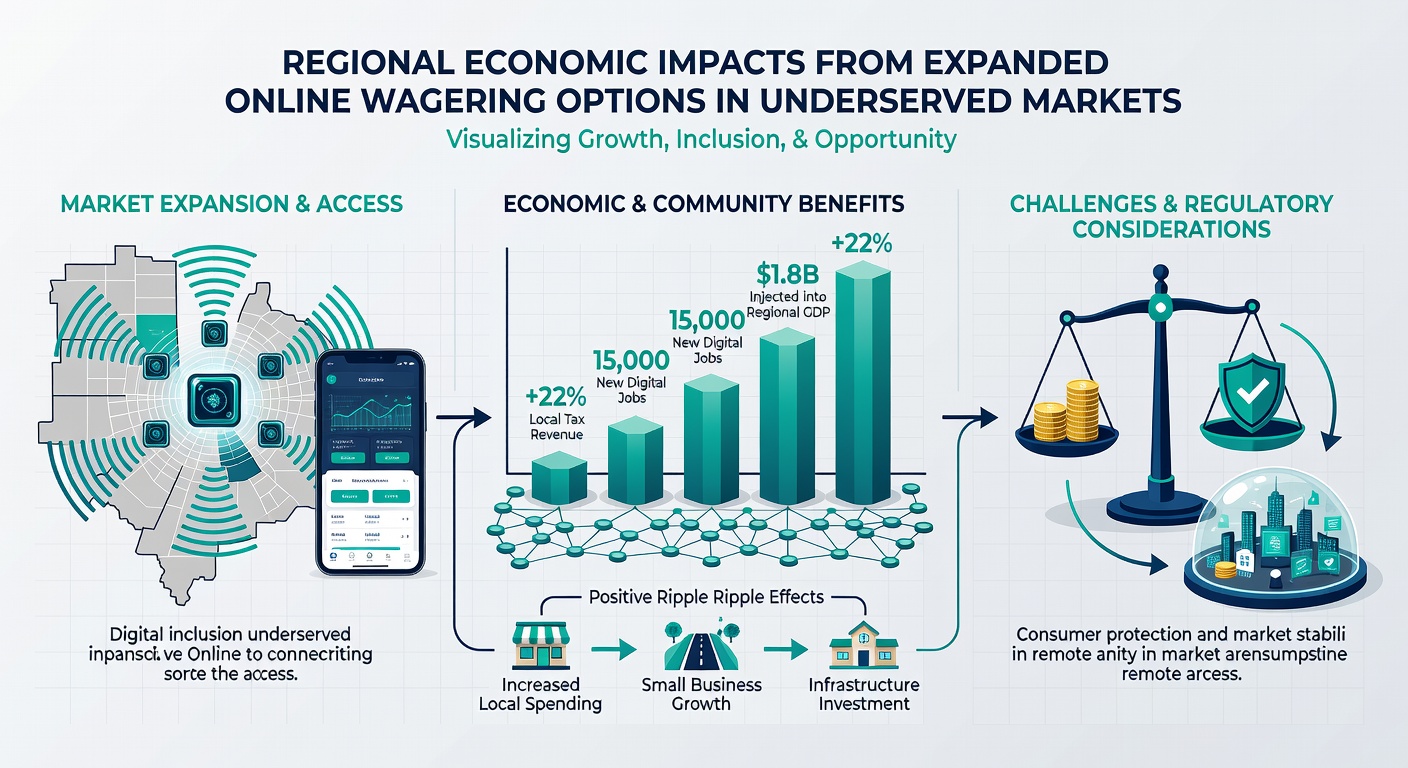
Australian states provide additional context for how online wagering affects remote economies. Productivity Commission analyses from New South Wales and Queensland document that digital wagering platforms increased household spending on entertainment while simultaneously directing a fixed share of operator profits toward regional development funds. Those funds supported road maintenance and community facilities in areas far from major population centers. In contrast, Canadian provincial data from Ontario reveals that First Nations communities with limited prior access to gaming venues experienced measurable rises in local vendor contracts once online options launched under regulated frameworks.
Business Formation and Ancillary Services
Small enterprises form around the new digital activity. Payment kiosks, tournament hosting venues, and analytics consultancies appear in towns where residents previously traveled long distances for similar entertainment. Case examples from West Virginia counties show that after online wagering legalization in 2024, three new data analytics startups opened offices near county seats, drawing on the local workforce and university partnerships. These businesses diversify the economic base and reduce reliance on single-industry employment models common in rural settings.
Conclusion
Regional economies in underserved markets display distinct responses when online wagering expands under regulated conditions. Tax inflows, employment gains, infrastructure acceleration, and ancillary business growth appear consistently across examined jurisdictions. Continued monitoring by government agencies and academic institutions will clarify the longer-term distribution of these impacts as additional markets adopt similar frameworks in coming years.