22 May 2026
The Hidden Algorithms Powering Personalized Promotions Across Digital Sportsbooks and Gaming Sites
Algorithms operate behind the scenes at digital sportsbooks and gaming platforms where they analyze vast streams of user activity to generate tailored promotions that match individual betting patterns and preferences. These systems process everything from wager history and session duration to device type and geographic signals so operators can deliver offers that encourage continued engagement without relying on generic campaigns that reach every account the same way.
Machine learning models cluster users into segments based on shared behaviors while predictive analytics forecast which incentives might prompt a return visit or an increased deposit. Observers note that such techniques have become standard practice across major platforms since operators began scaling their online offerings in the early 2020s and refined them further through successive software updates that integrate real-time data feeds.
Data Inputs That Drive the Systems
Platforms gather inputs from multiple touchpoints that include login frequency, preferred sports or game categories, average stake sizes, and even the timing of peak activity during live events. Researchers have documented how location-based signals help differentiate users who access sites through mobile networks in specific states where regulations permit certain bonus structures. These data points feed into scoring engines that assign promotional eligibility and determine the value of free bets or deposit matches shown to each account holder.
Additional layers incorporate external market data such as upcoming match schedules and odds fluctuations so the algorithms can align offers with high-interest periods. For instance when a major league schedule enters its final weeks the systems often surface enhanced parlay boosts or cash-out incentives to accounts that have previously engaged with similar events. This synchronization keeps promotions timely and contextually relevant rather than static across the calendar year.
Personalization Mechanisms in Practice
Recommendation engines apply collaborative filtering alongside content-based approaches to match users with promotions that resemble those accepted by similar profiles. One researcher who examined operator logs described how a bettor focused on NBA player props might receive targeted reload bonuses on related markets while a slots enthusiast sees free spin packages calibrated to their recent volatility preferences. These distinctions arise from decision trees and neural networks that weigh dozens of variables simultaneously before rendering the final offer displayed in the account dashboard.
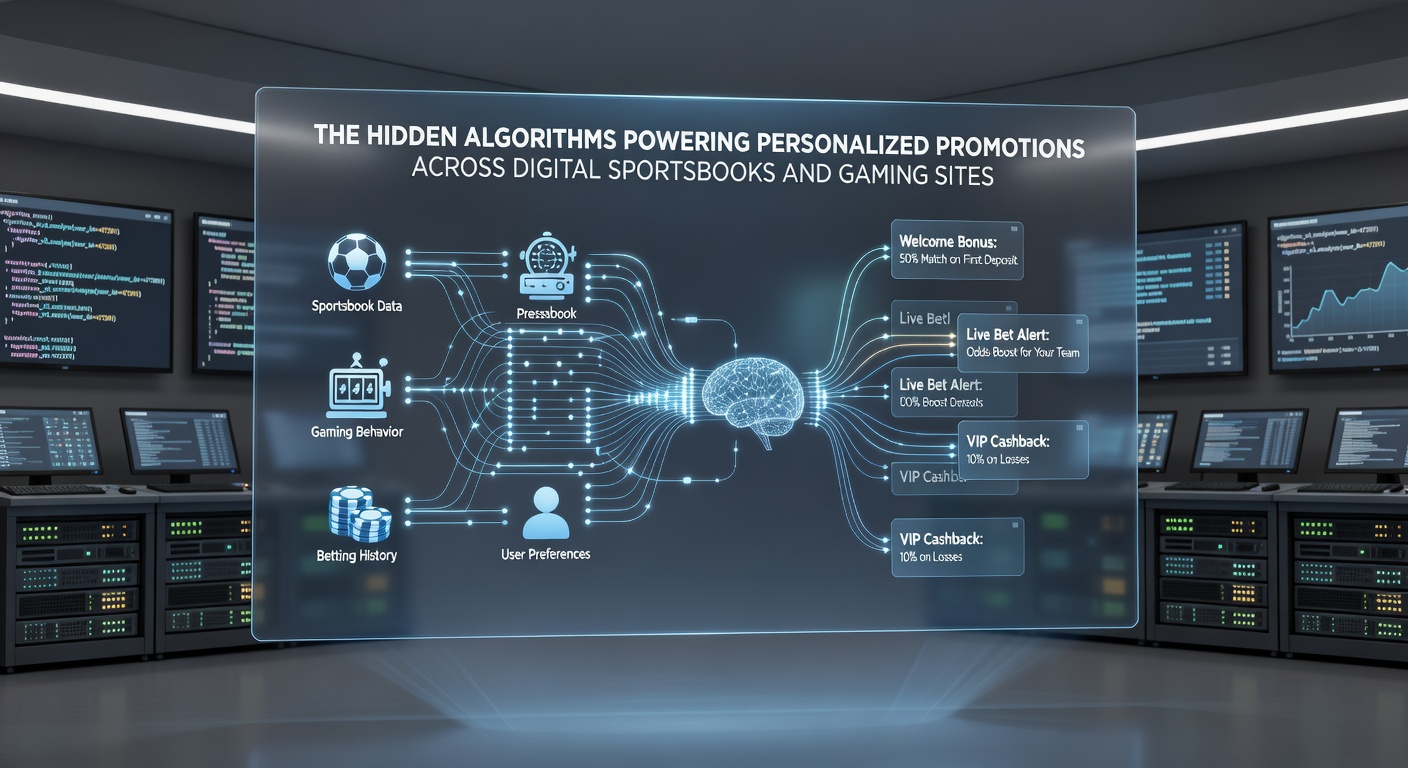
Dynamic pricing elements adjust the generosity of rewards according to projected lifetime value calculations that estimate future activity levels. Accounts flagged as high-retention candidates might see larger match percentages or lower rollover requirements whereas newer users receive smaller entry-level incentives designed to encourage initial deposits. Figures from industry reports released in early 2026 indicate that such graduated structures have contributed to measurable lifts in average revenue per user across several North American markets.
Regulatory and Technical Considerations
State gaming commissions in the United States along with oversight bodies in Canadian provinces require operators to maintain transparency logs that document how algorithmic decisions influence bonus distribution. These records help ensure compliance with responsible gaming standards that limit excessive targeting of vulnerable accounts. Platforms therefore embed audit trails within their systems that allow regulators to review the logic paths behind specific promotional sequences without exposing proprietary model weights.
Technical infrastructure relies on cloud-based data lakes that store anonymized behavioral records and support rapid querying during peak traffic windows such as playoff weekends. Engineers integrate these repositories with content management layers so promotional banners and push notifications update within seconds of a user completing a qualifying action. The result is a seamless experience where offers appear contextually appropriate yet remain fully automated once the underlying rules are established.
Developments Observed Through May 2026
By May 2026 several platforms introduced enhanced versions of their personalization suites that incorporate reinforcement learning to refine offer sequences based on immediate user responses. Early adopters reported improved conversion rates on deposit bonuses when the algorithms began testing micro-variations in messaging tone and reward thresholds across controlled user cohorts. These iterative improvements build on earlier frameworks while maintaining compatibility with existing responsible gaming filters mandated by licensing jurisdictions.
Cross-border operators have also explored federated learning setups that allow models trained on regional data pools to share insights without moving raw user records between markets. Such approaches address privacy requirements outlined in evolving data protection statutes while preserving the accuracy of promotion targeting that drives retention metrics.
Conclusion
The algorithms that shape personalized promotions continue to evolve as operators balance commercial objectives with compliance demands and technical capabilities expand. Data indicates that these systems now influence a substantial portion of promotional activity across digital sportsbooks and gaming sites where tailored incentives replace broad campaigns that once defined the sector. Continued refinement through machine learning techniques and regulatory oversight will likely sustain this trajectory through subsequent software cycles.