7 Jul 2026
Tracing Weather Pattern Influences on Line Adjustments in Outdoor League Markets
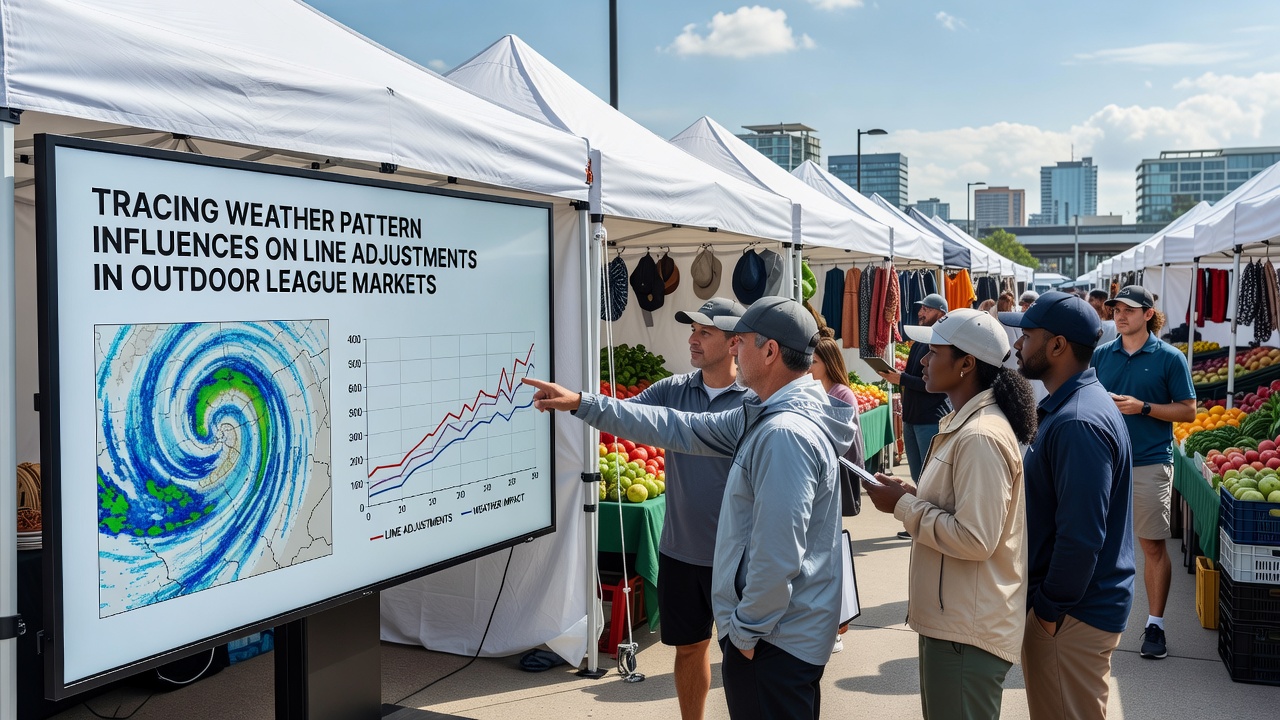
Weather patterns exert measurable effects on betting lines across outdoor sports leagues where conditions alter player performance, game totals, and scoring distributions in consistent ways. Observers in the industry track these influences through historical data sets that connect temperature shifts, precipitation levels, wind speeds, and humidity readings directly to adjustments made by oddsmakers before and during events.
Core Mechanisms Behind Line Movements
Bookmakers integrate meteorological forecasts into their models because rain reduces offensive output in baseball while wind affects passing accuracy in football and total points in soccer matches. These factors prompt early line shifts on totals and player props as data accumulates from similar past conditions, and algorithms recalibrate probabilities when updated forecasts arrive from agencies like the National Weather Service. One analysis of Major League Baseball games between 2018 and 2025 showed that totals lines moved an average of 0.8 runs lower when heavy rain was projected within 24 hours of first pitch.
Summer Patterns Observed in 2026
During July 2026 the ongoing baseball season provided fresh examples as heat waves across the Midwest coincided with elevated totals in several series. Data collected from stadiums in humid climates revealed that night games under high dew points produced more extra-base hits than comparable matchups in drier conditions, prompting sportsbooks to nudge run lines upward by half a run in select markets. Meanwhile coastal venues experienced marine layer effects that suppressed home run rates, leading to corresponding downward revisions on player props for power hitters.
Regional Variations and Sport-Specific Responses
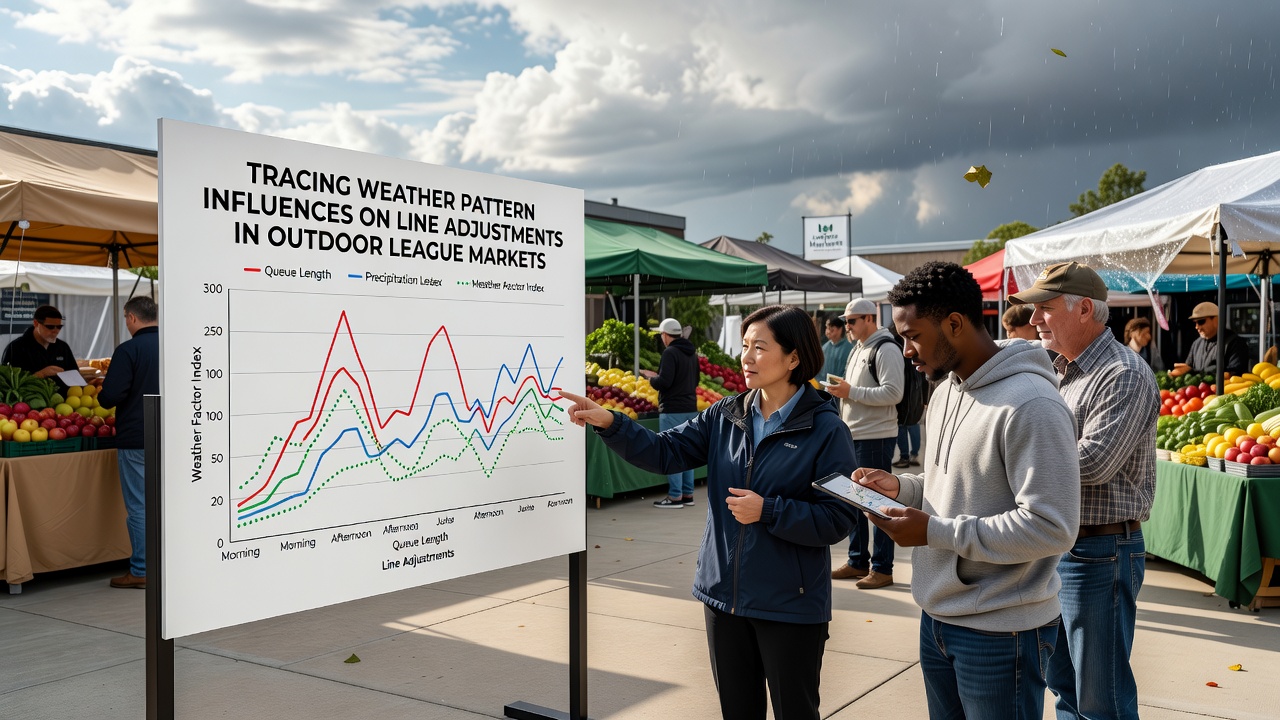
Different leagues exhibit distinct sensitivities to the same weather variables. National Football League preseason and regular season contests respond strongly to wind gusts above 15 miles per hour, which correlate with reduced completion percentages and lower game totals according to studies compiled by the American Meteorological Society. Soccer leagues in Europe and South America adjust over/under lines more aggressively when steady rain is forecast because pitch conditions slow ball movement and increase defensive errors. Australian rules football markets show comparable shifts during extreme heat warnings, where player fatigue metrics lead to lowered scoring projections in afternoon fixtures.
Data Integration Practices Across Markets
Analysts combine radar imagery, ensemble forecast models, and venue-specific microclimate records to generate probability distributions that feed into line-setting software. These systems flag deviations from baseline expectations when wind direction aligns with outfield dimensions or when temperature drops below seasonal averages. Research published by the Cooperative Institute for Precipitation Systems at Colorado State University demonstrates that such combined inputs improve the accuracy of total points forecasts by 12 to 18 percent compared with models that exclude weather variables.
Live betting markets react even faster once games begin because real-time sensors report actual field conditions rather than predictions alone. A sudden downpour during an MLB contest can trigger immediate total line drops of 1.5 runs within minutes while player strikeout props rise as pitchers gain an edge from altered grip and visibility. Observers note that sharp bettors monitor these rapid changes through feeds that aggregate both weather station data and on-field reports.
Long-Term Trends and Market Adaptation
Over multiple seasons bookmakers have refined their weather overlays by incorporating climate trend data that accounts for increasing frequency of extreme events. Markets in regions prone to summer thunderstorms now build wider ranges into opening lines to accommodate forecast uncertainty. This approach reduces the magnitude of late adjustments while maintaining balance across both sides of the wager. Historical records from the past decade indicate that the volume of weather-related line movements has risen steadily, particularly in leagues with extended outdoor schedules.
Conclusion
Weather pattern tracking has become a standard component of line construction for outdoor leagues because repeated correlations between atmospheric conditions and game outcomes provide reliable signals for adjustment. Continued refinement of forecast integration and venue-specific modeling supports more precise responses across baseball, football, soccer, and other affected sports as operators respond to accumulating performance data.